Online

 Home
Home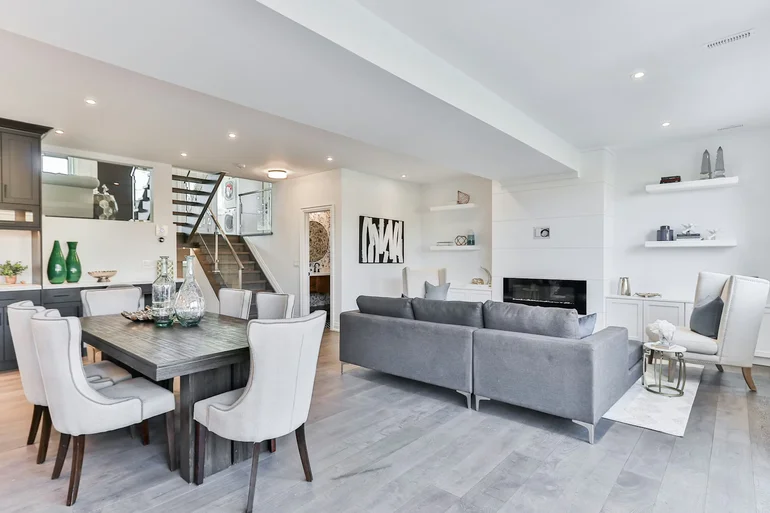

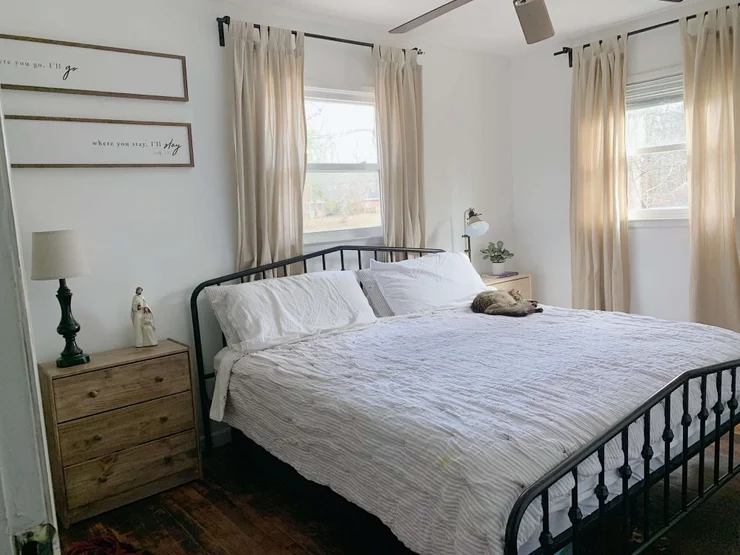
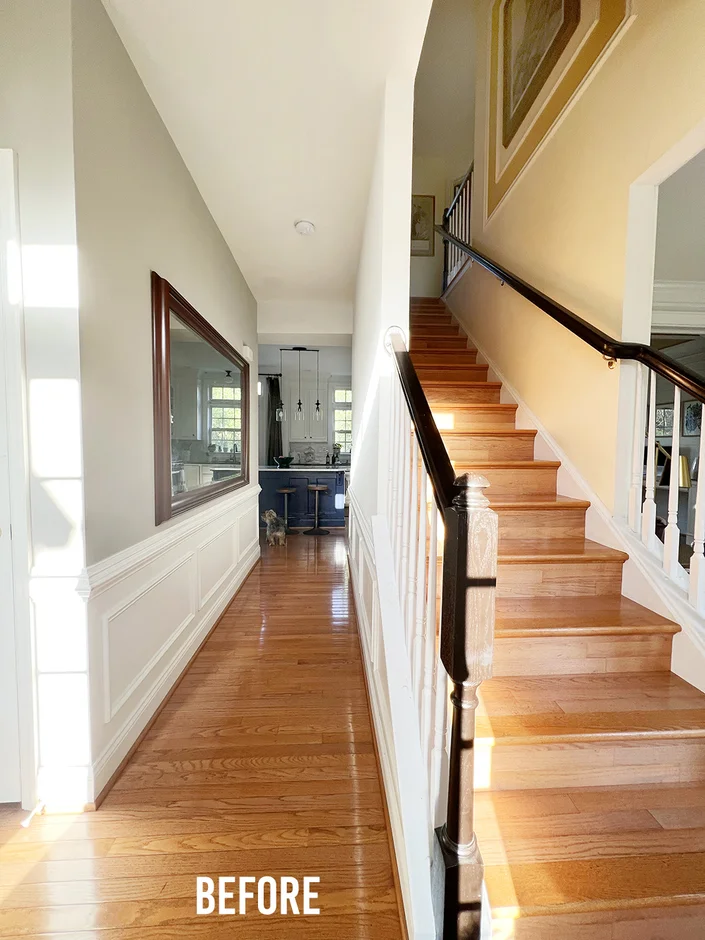
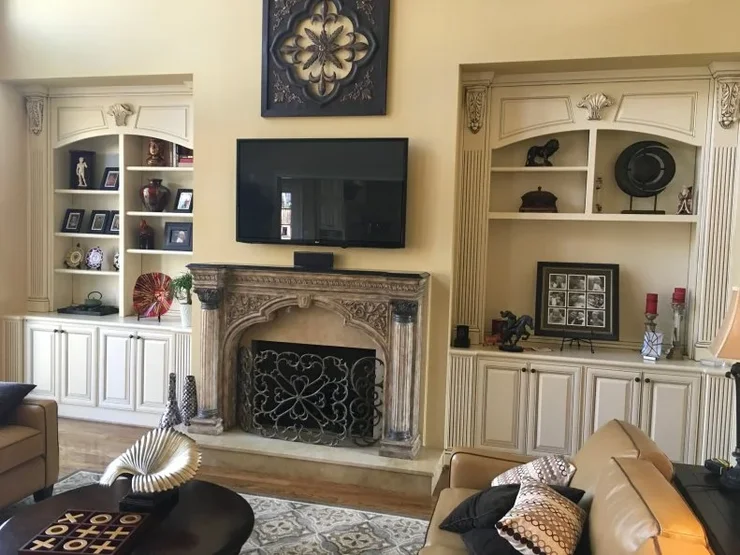
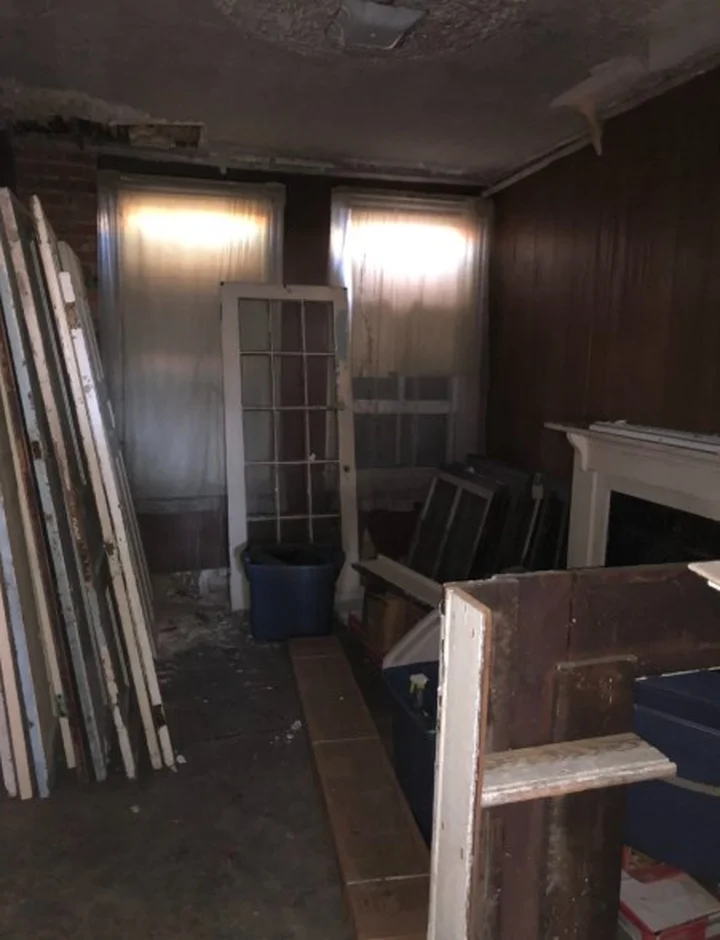
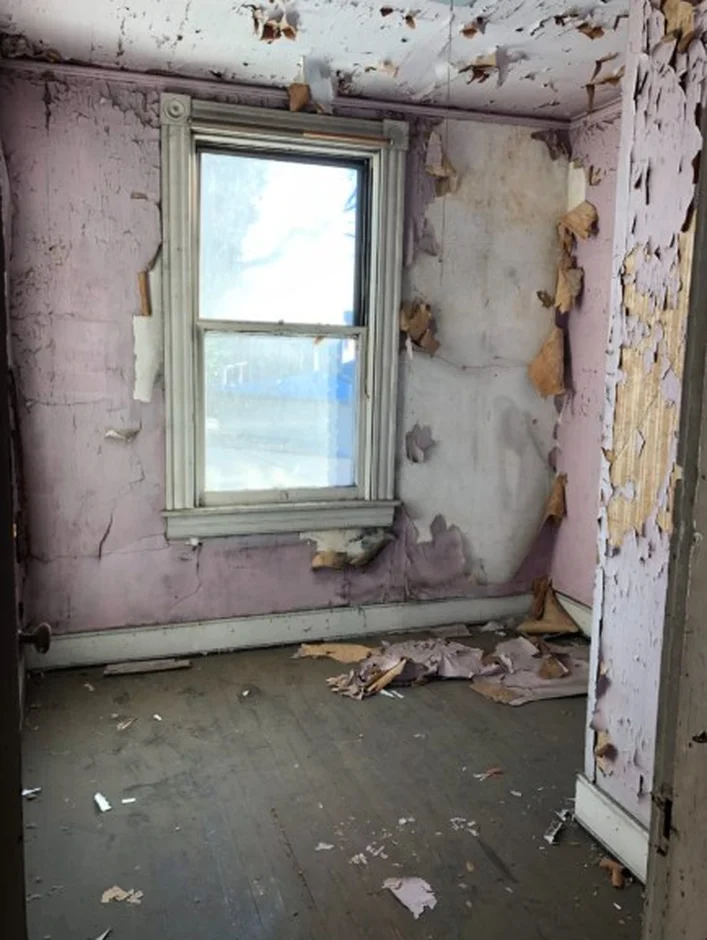
Sometimes a home does not need just one updated room. It needs a broader reset. The kitchen may feel disconnected from the living area. Bathrooms may be dated. Storage may be lacking in several places at once. Finishes may feel inconsistent from room to room. In homes like that, isolated updates can help, but they may not solve the bigger issue. A whole-home remodeling project creates the opportunity to improve the house as one connected living environment rather than as a series of separate spaces.
That is what makes whole-home remodeling different from a single-room renovation. The goal is not just to change how one area looks. It is to improve how the home works overall. That can mean better flow, stronger consistency, more useful layouts, upgraded finishes, and a clearer sense of how the house supports everyday life.
For many homeowners, whole-home remodeling in Tucson becomes the right direction when multiple rooms need attention and the current house no longer feels cohesive. Instead of making piecemeal upgrades over time, a larger plan can help bring the property together with more purpose and clarity.
Looking at the Home as One System
One of the biggest benefits of whole-home remodeling is the ability to evaluate the property as a whole. In many homes, individual problems are connected. A narrow hallway may affect how rooms relate to one another. Limited storage in one area may push clutter into another. A dated layout in the kitchen may make nearby spaces feel less functional too.
That is why it helps to treat the home as a system rather than a collection of separate rooms. A thoughtful remodeling plan looks at how spaces connect, how people move through them, and where friction shows up during daily routines.
This broader perspective may reveal issues such as:
- Uneven room-to-room flow
- Poor transitions between common areas
- Inconsistent lighting across the home
- Mismatched finishes that make the interior feel fragmented
- Storage gaps that affect multiple spaces
- Layout choices that no longer fit modern living
When homeowners step back and look at the entire home this way, they can make stronger decisions about which changes will matter most.
Defining What the House Needs to Do Better
Before finishes, materials, or design styles are discussed in detail, it helps to answer a more practical question: what should the home do better after remodeling? That question gives the project its direction.
For one household, the answer may be better flow for family life. For another, it may be more functional shared spaces, stronger storage, or a more comfortable layout for long-term living. Some homeowners want an older house to feel more open and current. Others want to keep the home’s character while making it easier to live in every day.
Useful planning often begins with goals such as:
- Making the home feel more open and connected
- Improving comfort across multiple rooms
- Creating consistency in finishes and design
- Supporting changing household needs
- Updating worn or outdated areas together
- Reducing daily frustration caused by layout issues
When those goals are clearly defined early, the remodel becomes easier to shape around real priorities rather than scattered ideas.
Creating Better Flow from Room to Room
A full-home remodel has the advantage of addressing flow on a larger scale. That is one of the biggest reasons these projects can transform how a house feels. Even if individual rooms are decent on their own, the overall experience may still feel awkward if circulation is poor or spaces do not relate well to each other.
Better flow often means more than removing barriers or opening walls. It may involve improving transitions, rethinking how rooms connect, or adjusting the balance between open and private areas. The result should feel easier to move through and more natural to live in.
A stronger whole-home layout may help improve:
- How common spaces connect
- How traffic moves through the home
- The relationship between busy and quiet areas
- Access to storage and utility spaces
- The sense of openness without losing function
This kind of change is often hard to achieve through one-room projects alone. A whole-home remodel allows the bigger picture to guide the decisions.
Consistency without Making the Home Feel Flat
One challenge in many older homes is inconsistency. Floors change abruptly from room to room. Lighting styles feel unrelated. One space looks updated while the next still feels unfinished or disconnected. That can make the home feel incomplete even when several individual updates have already been made.
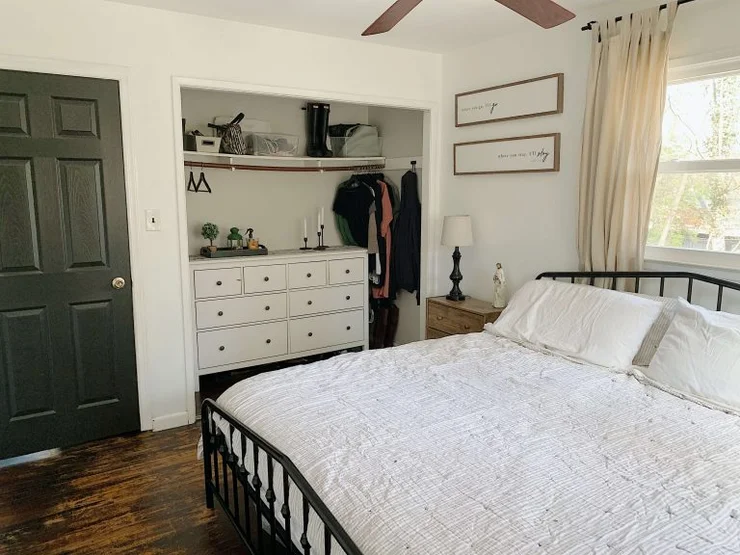
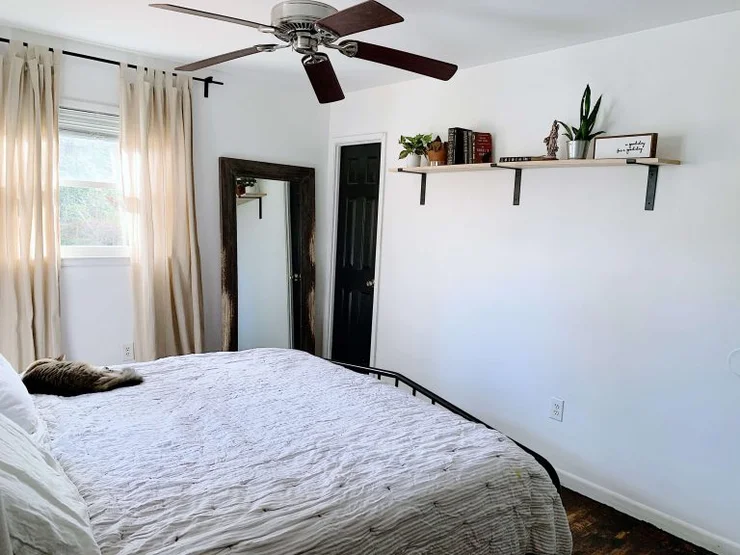
Whole-home remodeling gives homeowners the chance to create more visual continuity. That does not mean every room has to look identical. It means the design should feel coordinated enough that the house reads as one home rather than a series of unrelated projects.
Consistency may come from:
- A more unified material palette
- Better coordination of colors and finishes
- More balanced lighting throughout the house
- Similar design language from room to room
- Stronger continuity in flooring, trim, or built-ins
When done well, this kind of consistency creates calm rather than repetition. The home feels more resolved, more intentional, and easier to enjoy as a whole.
Remodeling around Daily Life
One of the best reasons to take a whole-home approach is the chance to tailor the house around how life is actually lived now. Homes often outlast the patterns they were originally designed for. A layout that once worked may no longer fit a household with different schedules, habits, and expectations.
That is why whole-home remodeling should stay grounded in real daily use. The remodel is not just about square footage or appearance. It is about making the home more supportive of everyday routines.
This may involve thinking about:
- Where clutter tends to collect
- Which spaces feel underused or overloaded
- How family members move through the house
- Where privacy is lacking
- Which areas need better organization
- How shared spaces function during busy parts of the day
These practical observations often lead to the most meaningful changes. The goal is not to create a showroom. It is to create a home that works better.
Plan Your Tucson Remodeling Budget


Sequencing the Project with More Intention
A whole-home remodel involves many decisions, which is why sequencing matters. Homeowners often feel more comfortable when they understand how the project is likely to unfold and how one decision affects another.
A structured approach helps reduce uncertainty and keeps the project from feeling chaotic. It also makes it easier to connect major choices to the overall plan.
A full-home remodeling process often involves steps such as:
- Identifying the biggest functional issues
- Clarifying project priorities
- Defining the overall scope
- Organizing design direction room by room
- Coordinating materials and finishes
- Planning the work in a logical sequence
This kind of order is important because a whole-home project touches many parts of the house. The stronger the sequence, the easier it is to keep the remodel focused and cohesive.
Cost Drivers in a Whole-Home Remodel
Whole-home remodeling costs can vary widely because the scope can vary widely. Unlike a focused room update, this type of project depends on how many areas are being changed, how deeply they are being reworked, and how much of the home’s layout, finishes, and functionality are being improved.
In addition to the mentioned factors, the following aspects also have great impact on cost:
- The need for coordinated room-to-room improvements
- The age and condition of existing spaces
- The level of customization across the home
This is the reason clear priorities matter so much. A whole-home remodel should not be driven by the idea of changing everything equally. It should focus on the changes that will make the strongest difference in how the home looks, feels, and functions.
When cost is viewed through that lens, homeowners can make more informed decisions about where to invest and what should lead the project.
Common Challenges in Whole-Home Remodeling
Homeowners often run into a few challenges when planning a whole-home remodel, especially when several spaces need to come together under one vision. It can be difficult to decide which updates should come first, how different rooms should relate to one another, and where to draw the line between necessary changes and optional improvements. When many ideas are in play at once, the project can start to feel harder to organize.
Some of the most common challenges include:
- Keeping the design consistent across multiple spaces
- Balancing open flow with privacy and function
- Coordinating updates that affect connected rooms
- Working through older features that no longer fit the plan
- Prioritizing changes when everything cannot happen at once
That is why a whole-home remodel works best with a clear direction. When priorities are organized early, the project becomes easier to manage and more likely to feel cohesive in the end.
Value Beyond the Individual Rooms
A full-home remodel offers value that goes beyond updating separate spaces. It can change how the entire property is experienced. The benefit may show up in the way the home flows, how organized it feels, how comfortable daily routines become, and how much more aligned the house is with current needs.
That broader value often includes:
- A more cohesive interior
- Better room-to-room function
- Less visual and practical friction
- Stronger long-term usability
- More confidence in the home as a place to stay and invest in
This is what makes a whole-home remodel different from a sequence of unrelated upgrades. The return is not only in what each room gains, but in what the entire home becomes.
Bring Your Whole-Home Remodel to Life
If you are ready to move beyond ideas and start turning plans into real improvements, the right support can make that process much easier. We help homeowners connect with qualified contractors who can carry out whole-home remodeling work with a clearer understanding of the goals, priorities, and overall vision for the space. That way, the project is not just about changing rooms one by one, but about creating a home that feels more functional, cohesive, and better aligned with everyday living. Reach out today to take the next step toward a whole-home remodel that reflects how you want your home to work.
FAQ
What is the difference between whole-home remodeling and updating a few rooms?
Whole-home remodeling looks at the house as one connected project instead of treating each room as a separate update.
Can a whole-home remodel improve both layout and appearance at the same time?
Yes. It can address how the home functions while also creating a more consistent overall look.
Does every room need to be completely redone in a whole-home remodel?
No. Some rooms may need major changes, while others may only need updates that support the larger plan.
Is whole-home remodeling a good option for older houses?
Yes. It can be especially helpful when older layouts, finishes, and room relationships no longer support current living needs.
What should homeowners decide first before starting a whole-home remodel?
Start by identifying what the house needs to do better overall, then use that to guide layout and design priorities.
Can whole-home remodeling help a house feel more cohesive without losing its character?
Yes. A strong plan can improve function and consistency while still respecting the home’s original feel.